
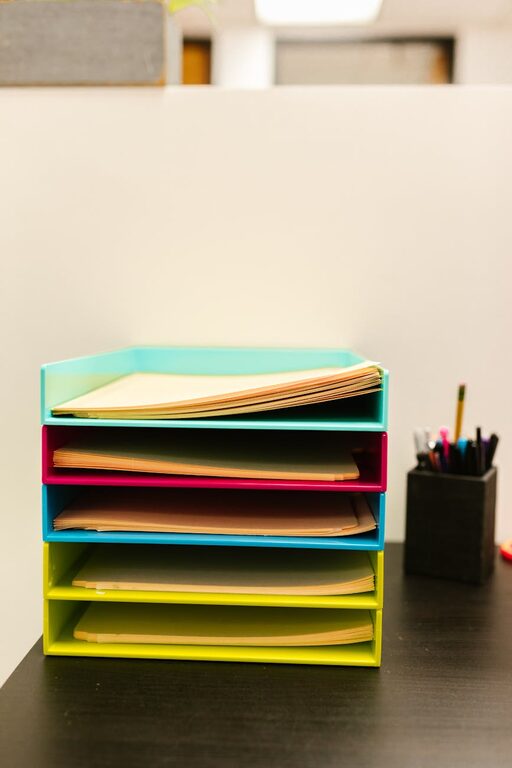
Managing paper clutter is a common challenge in many households. From bills and receipts to kids’ schoolwork and junk mail, papers seem to accumulate quickly, creating chaos on desks, counters, and drawers. Fortunately, reducing paper clutter doesn’t have to be overwhelming. With some simple strategies and a bit of consistency, you can reclaim your space and maintain an organized home environment. This post explores practical, easy-to-implement ways to cut down on household paper clutter.
Why Reducing Paper Clutter Matters
Before diving into the methods, it helps to understand why reducing paper clutter is beneficial. Excess paper can cause stress, make it harder to find important documents, and create a messy appearance. By managing paper effectively, you save time, reduce anxiety, and keep your home looking tidy.
Step 1: Conduct a Paper Audit
Start by gathering all your loose papers in one spot. This will help you see the volume and type of documents you have. Sort them into broad categories such as:
– Bills and statements
– Receipts
– Personal documents (birth certificates, passports)
– Kids’ papers and artwork
– Junk mail and flyers
– Manuals and warranties
Having a clear picture of your paper inflow will guide your decluttering and organizing efforts.
Step 2: Digitize Important Documents
One of the most effective ways to cut down on paper is to digitize as many documents as possible. Use a scanner or a smartphone scanning app to create digital copies of important papers. Store them securely on your computer, cloud storage, or an external hard drive.
Tips for digitizing successfully:
– Scan documents right after you bring them home.
– Name and date files clearly to make retrieval easier.
– Back up digital files regularly to avoid loss.
– Use PDFs for easy viewing and sharing.
Digital copies reduce physical storage needs and make finding documents faster.
Step 3: Set Up a Mail Station
Incoming mail often contributes heavily to paper clutter. Create a dedicated mail station near the entrance of your home. This should have:
– A small tray or basket for unopened mail
– Filing folders labeled “Bills,” “To Pay,” “To Read,” and “Junk”
– A shredder or recycling bin nearby for immediate disposal
Sort mail daily or every couple of days to prevent buildup. Immediately toss junk mail and spam unless it contains valuable coupons or information.
Step 4: Reduce Paper Inflow
Minimizing the amount of paper coming into your home is just as important as managing what you already have.
Here are some ideas:
– Switch to paperless billing for utilities, credit cards, and subscriptions.
– Unsubscribe from physical catalogs and mailing lists you no longer want.
– Opt for digital receipts when shopping, when possible.
– Encourage family members to send invitations and greetings electronically.
Lowering paper inflow means there’s less clutter to manage later.
Step 5: Create an Organized Filing System
For papers that must be kept, a well-designed filing system is essential.
Consider these organization tips:
– Use labeled hanging folders or binders for different categories.
– File documents immediately after reading or using them.
– Keep frequently used papers in a separate, easily accessible spot.
– Review and declutter your files every few months to remove outdated papers.
– Use color-coded folders for quicker identification.
Clear and consistent filing makes it easier to find what you need, faster.
Step 6: Manage Kids’ Paperwork Creatively
Children’s schoolwork, artwork, and certificates often pile up quickly. You can manage these papers without discarding all of them.
Try these ideas:
– Use a portfolio folder or box to save special items.
– Take photos of artwork and create digital albums or print photo books.
– Display favorites on a rotating “art wall” or corkboard.
– Set limits on saved items and review with your child regularly.
This approach honors your child’s accomplishments while controlling clutter.
Step 7: Shred or Recycle Regularly
Don’t let old papers build up unused. Keep a shredder handy for documents with sensitive information like bills or bank statements that are no longer needed. Recycling is an eco-friendly way to dispose of non-sensitive papers.
Set a routine to shred or recycle unwanted papers weekly or biweekly. This keeps clutter from returning quickly.
Step 8: Maintain Consistency
The key to lasting clutter reduction is regular maintenance. Make paper organization part of your routine by:
– Handling mail daily or every few days.
– Reviewing files monthly or quarterly.
– Digitizing new documents as they arrive.
– Encouraging all family members to follow the system.
Consistency prevents paper piles from becoming overwhelming again.
—
Final Thoughts
Reducing household paper clutter is a manageable task with the right strategies. By auditing your papers, digitizing important ones, minimizing incoming paper, and maintaining an efficient filing system, your home can stay organized and stress-free. Remember, the goal is progress, not perfection. Implement a few steps at a time, and enjoy the calm that comes with a clutter-free space!