
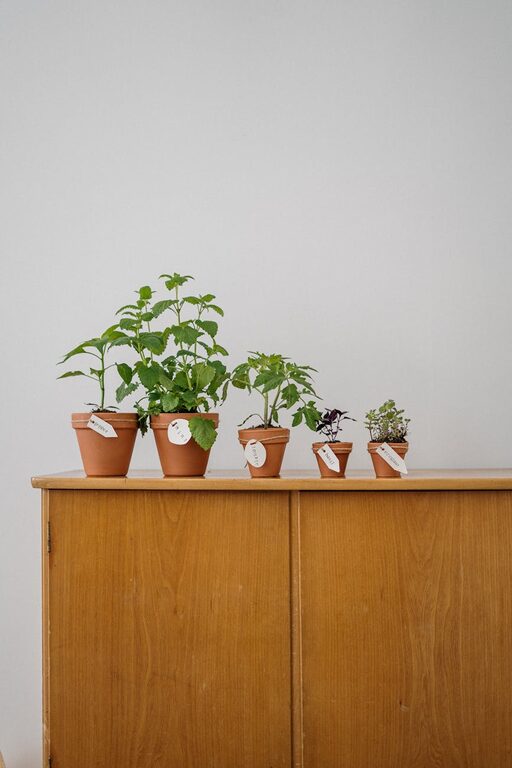
Starting a small herb garden indoors is a rewarding and practical way to bring fresh flavors into your kitchen while adding a touch of greenery to your living space. Whether you have a spacious home or just a sunny windowsill, growing herbs indoors is easier than you might think. This guide will walk you through everything you need to know to get started.
Why Grow Herbs Indoors?
Indoor herb gardens offer many benefits:
– Year-round access to fresh herbs regardless of the season.
– Convenient and cost-effective way to enhance your cooking.
– Improving indoor air quality and adding natural beauty to your home.
– Perfect for small spaces or urban living where outdoor gardening isn’t possible.
Choosing the Right Herbs for Indoor Gardening
Some herbs thrive particularly well indoors because they require moderate light and are relatively low maintenance. Popular choices include:
– Basil – Great for cooking, needs bright light.
– Mint – Very hardy and can tolerate partial shade.
– Chives – Easy to grow and use in many dishes.
– Parsley – Prefers moderate sunlight, adds a fresh touch to meals.
– Thyme – Adaptable and fragrant.
– Oregano – Needs bright light but is quite resilient.
– Cilantro – Prefers cooler indoor temperatures.
Start with 2-3 herbs that you use most often, so it stays manageable.
What You’ll Need
Before planting, gather these essentials:
– Containers: Small pots or herb planters with drainage holes. Self-watering pots work well too.
– Potting soil: Use a high-quality, well-draining potting mix, not garden soil.
– Seeds or starter plants: Seeds are cost-effective, but starter plants offer a quicker harvest.
– Watering can or spray bottle: For gentle watering.
– A sunny spot: A window with 6-8 hours of sunlight, preferably south-facing.
– Optional: Grow lights if your natural light is limited.
Step-by-Step Guide to Starting Your Indoor Herb Garden
1. Select Your Containers
Choose pots that provide enough space for root growth—typically 4-6 inches deep. Ensure each pot has drainage holes to prevent water accumulation, which can cause root rot.
2. Prepare the Soil
Fill your containers with potting soil, leaving about half an inch of space at the top for watering. Avoid compacting the soil too much; herbs prefer loose, airy soil.
3. Plant Your Seeds or Transplants
– Seeds: Follow the packet instructions for planting depth. Usually, plant seeds about twice as deep as their size. Cover lightly with soil.
– Starter plants: Gently loosen the roots before planting. Place them slightly deeper than they were in their nursery pots and firm the soil around them.
Water the soil well after planting.
4. Find the Ideal Location for Your Herbs
Place your pots in the sunniest spot in your home, ideally a south-facing windowsill. If natural sunlight is insufficient, consider using a full-spectrum grow light for 8-12 hours a day to support healthy growth.
5. Water Wisely
Overwatering is a common mistake. Herbs typically prefer slightly moist soil but not soggy conditions. Check the soil with your finger—if the top inch feels dry, it’s time to water. Using a spray bottle for delicate seedlings can prevent disturbance.
6. Maintain Your Herb Garden
– Fertilize sparingly: Use a balanced liquid fertilizer every 4-6 weeks or as recommended.
– Pinch and harvest regularly: This encourages bushier growth and prevents herbs from flowering prematurely.
– Watch for pests: Indoor herbs can sometimes attract aphids or spider mites. Wipe leaves with a damp cloth or use insecticidal soap if needed.
Tips for Success
– Rotate your pots periodically to ensure even sunlight exposure.
– Group herbs with similar water and light needs together.
– Use clean pots and tools to prevent disease.
– Avoid placing herbs near drafts or heating vents.
When to Harvest Your Herbs
You can start harvesting once your plants have grown enough leaves to sustain trimming. Harvest by snipping off the top 2-3 inches, focusing on newer growth. Avoid removing more than one-third of the plant at a time to allow it to continue growing.
Additional Ideas
– Herb Garden Kits: Ready-made kits include seeds, pots, and instructions that simplify the process.
– Vertical Herb Gardens: Use wall-mounted planters or stackable containers to save space.
– Creative Containers: Reuse jars, tins, or teacups with added drainage for a charming look.
Conclusion
Having a small herb garden indoors is a delightful way to enjoy fresh herbs and a bit of nature every day. With a little planning and care, even beginners can grow thriving plants that boost both the kitchen and the home. Start small, be patient, and enjoy the process!
Happy gardening!